
The Modern Lookbook: An Evolution of Visual Storytelling

Lookbooks in the fashion industry, once a simple catalog of garments, have undergone dramatic transformations in recent years. Driven by evolving consumer expectations and the rise of digital platforms, today's lookbooks are more than just a showcase of the upcoming season; they are immersive storytelling experiences designed to captivate, engage, and inspire fashion trends across the industry.
A significant shift is the increased emphasis on visual narrative—what was once a static pamphlet or magazine can now be seen on YouTube. Rather than simply displaying models in clothes, brands weave compelling stories around their collections. This might involve incorporating themes, creating a sense of place, and developing characters that resonate with the target audience. The goal is to evoke emotions and connect deeply with the brand's aesthetic and values. Short-form video content has emerged as a powerful tool for showcasing lookbooks. Platforms like TikTok and Instagram Reels have become crucial for capturing attention and driving engagement. Dynamic and engaging video content can effectively convey the brand's story, showcase the collection in action, and create a more immersive experience for viewers.
Augmented reality (AR) experiences have also propelled interactivity as a key element of the modern lookbook. Gone are the days of static images. Today, brands are incorporating features like shoppable images, 360-degree views of garments, and even augmented reality experiences. These interactive elements allow customers to engage more deeply with the products, envision themselves wearing them, and ultimately make more informed purchasing decisions.
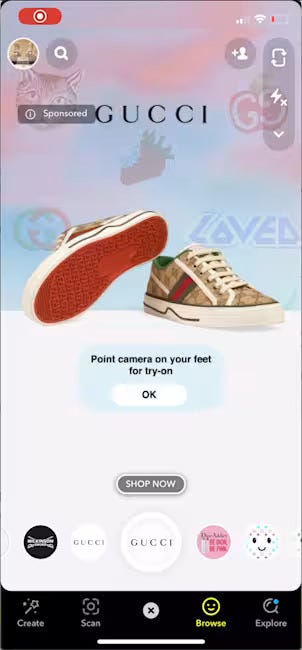
Industry powerhouse Gucci’s partnership with Snapchat launched the platform’s first global AR fashion campaign to promote upcoming shoe releases. The campaign allowed users to virtually “try on” four of Gucci's forthcoming releases using Snapchat’s lens feature with an integrated shop feature. In addition to garnering excitement and engagement on both Snapchat and Gucci’s platforms, the fashion titan also saw a significant return on ad spend related to the campaign, presenting proof that interactivity can lead to sales.
Inclusivity is another crucial aspect of the evolving lookbook. Recognizing consumers' changing demographics, brands increasingly feature diverse models of all shapes, sizes, ethnicities, and ages. This reflects the world's reality and promotes a more inclusive and representative image of beauty. Moreover, it demonstrates a commitment to diversity and inclusivity that resonates with today's socially conscious consumers.
It would be remiss for us not to acknowledge that the rise of social media has profoundly impacted how fashion brands utilize lookbooks. Platforms like Instagram, TikTok, Snapchat, and Pinterest have become integral to the lookbook experience. Brands leverage these platforms to share teasers, advertisements, behind-the-scenes content, and user-generated content related to their lookbooks. This creates a sense of community and allows two-way communication between the brand and its audience.
Sustainability is another trend gaining traction in the fashion industry, ref the evolution of lookbooks. Many brands highlight eco-friendly materials, ethical production processes, and collaborations with sustainable partners in their lookbook campaigns. This demonstrates a commitment to environmental and social responsibility, which is increasingly important to conscious consumers.
In conclusion, the modern lookbook has evolved from a simple catalog to a multifaceted storytelling experience. Fashion brands can create more impactful and effective lookbooks that resonate with their target audience and drive sales by embracing narrative, interactivity, inclusivity, social media integration, sustainability, and short-form video content.
-----
Jarrett Smith
Head of Marketing & Operations
LOOP